
















Kuripe & Tepi
Mala Kuripe - Kayu Kopi | Coffee Wood Rapé Applicator
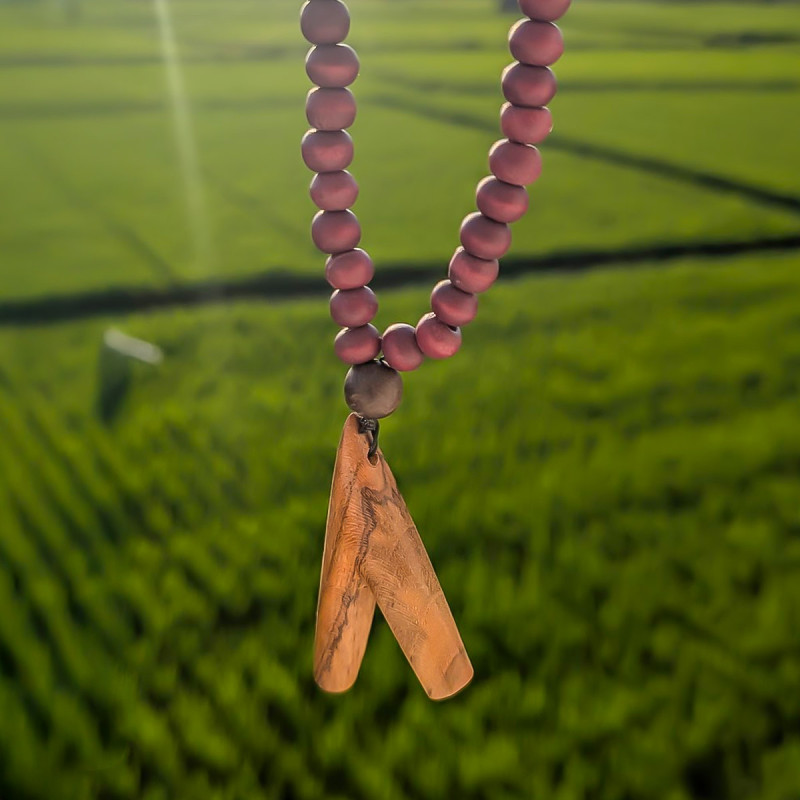
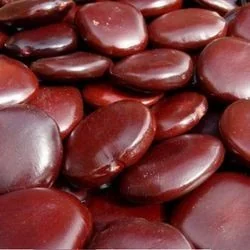
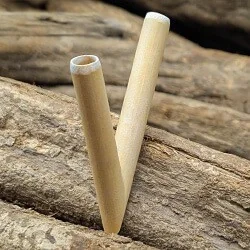
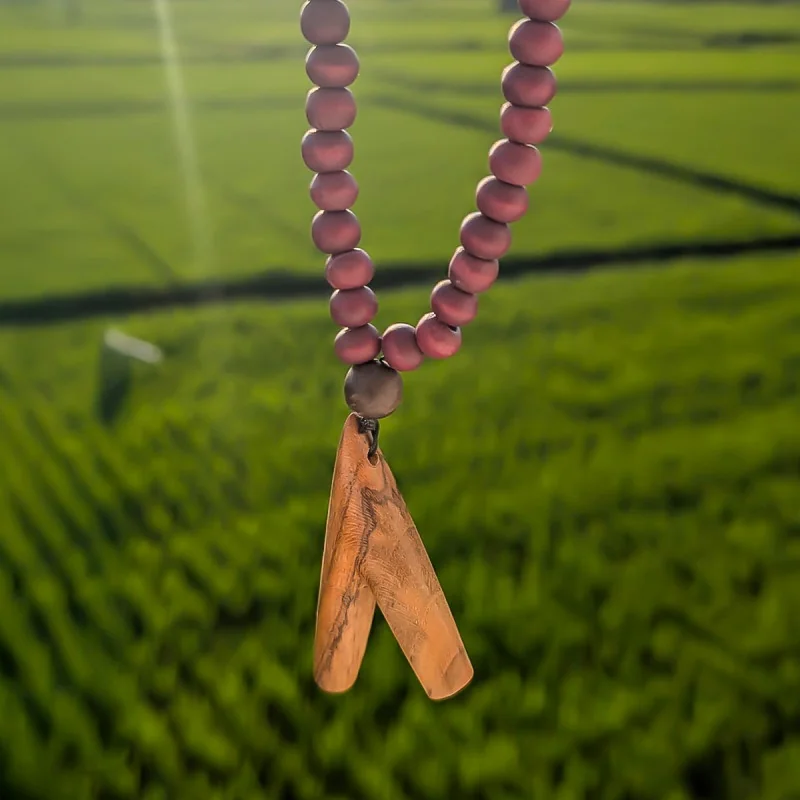
Rapé kuripe adorned with rare coffee wood (Kayu Kopi) beads and Jati wood construction. Made from retired Indonesian coffee trees. Lightweight, warm coffee-brown tones, subtle earthy scent. Grounding without heaviness.
Kayu Kopi: Retired Coffee Trees, Reborn
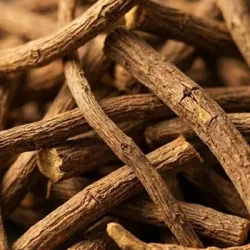
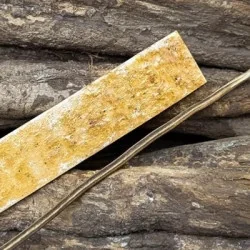
When a coffee tree reaches the end of its productive life -- typically after 20-30 years of bearing fruit -- Indonesian farmers retire the plant. The wood that remains carries decades of growth encoded in its grain: a warm coffee-brown colour, a surprisingly light weight, and a subtle earthy scent that hints at the aromatic heritage of the tree. This is Kayu Kopi -- coffee wood -- and it is one of the more unusual bead materials in the Indonesian woodcraft tradition.
Using Kayu Kopi beads on a kuripe is a quiet statement about cycles and second lives. A tree that spent decades producing the world's most consumed stimulant now takes on an entirely different role -- as a contemplative tool for rapé practice. There is an elegance to that transformation that resonates with practitioners who value intentionality in their instruments.
Construction and Character
The pipe body is crafted from Jati wood (Indonesian teak), providing the structural rigidity and moisture resistance that a functional kuripe demands. The Kayu Kopi beads are strung along the exterior, offering tactile warmth and visual distinction. The coffee wood is notably lightweight -- noticeably lighter than rudraksha or hardwood bead alternatives -- which contributes to a feeling of ease during extended ceremonial use.
The natural colour palette ranges from honey-gold to deep coffee-brown, and subtle variations between beads reflect the individuality of each retired tree. Over time, handling and exposure to rapé residue will deepen the patina, making each piece increasingly personal.
Grounding Without Weight
Practitioners describe Kayu Kopi as energetically grounding -- a quality they associate with its deep root connection and decades in volcanic Indonesian soil -- without the physical heaviness of denser materials. This makes it particularly suitable for extended sitting practice or ceremonies where a lighter tool reduces hand fatigue.
Retail Notes
The Kayu Kopi Mala Kuripe occupies a distinctive niche: lighter and more approachable than rudraksha, with a material story that immediately engages customers who know their coffee. Stock alongside the Rudraksha Mala Kuripe for a complementary mala pairing. The rarity of genuine coffee wood beads adds a talking point that few competitors can match.
What is Kayu Kopi (coffee wood)?
Kayu Kopi is the Indonesian term for coffee wood -- the timber of retired coffee trees (Coffea species) that have reached the end of their fruit-bearing life after 20-30 years. The wood is lightweight, warmly coloured in honey-to-brown tones, and carries a subtle earthy scent. It is a rare craft material that gives a second life to retired agricultural trees.
How does the Kayu Kopi kuripe compare to the Rudraksha version?
The primary difference is weight and character. Kayu Kopi beads are notably lighter than rudraksha seeds, making this kuripe feel more effortless during extended use. Energetically, practitioners describe coffee wood as gently grounding, while rudraksha carries the more intense devotional associations of Shiva tradition. Both use the same Jati wood pipe body.
Will the coffee wood beads change colour over time?
Yes. Natural oils from handling and trace residue from rapé use gradually deepen the wood's patina. The honey-gold tones mature into richer browns, creating a unique finish that is personal to each user. This aging process is a natural quality of the wood and enhances the piece over time.
- Reference
- kuripe mala2
kuripe mala2
36 Items