































Kuripe & Tepi
Kuripe and tepi pipes are the traditional application tools used alongside rapé in indigenous ceremony — the kuripe for self-application, the tepi for partner application. Stocking both alongside your rapé range completes the offering for practitioners and ceremony facilitators who want everything in one wholesale source.
Kuripe - Bamboo | Handcrafted Applicator
Teak Kuripe - Sacred Snake | Snake Design Rapé Applicator
Mala Kuripe - Kayu Kopi | Coffee Wood Rapé Applicator
Tepi Applicator Plain | Ceremonial
Tepi Applicator Plain Short | Handcrafted
Kuripe - Meranti Wood | Handcrafted
Haux Kuripe | Ceremonial Handcrafted
Standing Kuripe - Jati | Handcrafted
Round Kuripe - Jati | Handcrafted
Large Kuripe - Jati | Handcrafted
Kuripe Applicator - Jati | Handcrafted
Wholesale Kuripe and Tepi: Rapé Application Pipes for Practitioners
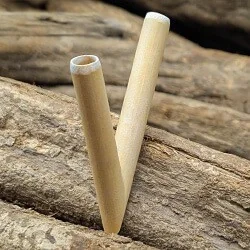
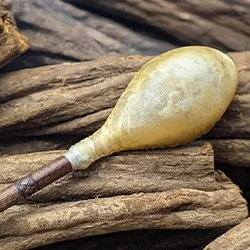
A kuripe is a V-shaped pipe that allows a practitioner to apply rapé to themselves — one end is placed in the mouth, the other in the nostril. A tepi is longer and straight, used when one person blows the herbal blend into another person's nostril. These are not interchangeable tools; each has its own role in ceremony, and serious practitioners typically stock both.
Demand for kuripe and tepi has grown steadily alongside the broader interest in South American ceremonial traditions. Smartshops, shamanic supply stores, and online retailers serving the ceremony community have found that selling rapé without offering application tools leaves a gap that customers will fill elsewhere. Stocking kuripe and tepi alongside your rapé range increases average basket size and positions your shop as a complete ceremony supplier.
Materials and Craftsmanship
Our pipes are made from natural materials including bamboo, bone, and hardwoods. Bamboo kuripe are lightweight and durable — good entry-level options for customers new to rapé practice. Carved bone and hardwood pipes are often preferred by experienced practitioners for their weight, feel, and aesthetic. Each piece is individually made and may show natural variation, which is normal and expected.
The Kuripe Plain and Tepi Plain are consistent sellers, simple, well-made, and suitable for both personal use and resale in a ceremony supply shop.
Care and Maintenance
Practitioners clean their pipes regularly between uses. A pipe cleaner or thin brush works for bamboo; wooden and bone pipes benefit from occasional conditioning with a neutral oil. Advising your customers on care extends the product life and reduces returns.
A kuripe is a small, V-shaped pipe used for self-application of rapé: the practitioner places it between their own mouth and nostril. A tepi is a longer, straight pipe used when one person administers the herbal blend to another. Both have distinct roles in ceremony, and most experienced practitioners use both.
We offer kuripe and tepi in bamboo, bone, and various hardwoods. Bamboo is lightweight and affordable: a good option for newcomers. Bone and hardwood pipes have more weight and a different feel that experienced practitioners often prefer. All materials are natural and may show variation between individual pieces.
Yes, we encourage this. Ordering rapé and application pipes together simplifies logistics and ensures your customers can buy everything they need from a single source. Contact us for combined order pricing.
Pipes should be cleaned after each use with a dry brush or pipe cleaner. Wooden and bone pipes can be wiped clean and occasionally treated with a light neutral oil to prevent cracking. Keep them dry and away from direct sunlight for the longest life.


