


Caapi
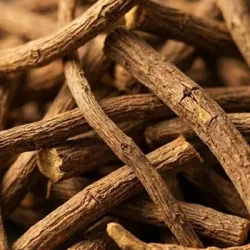
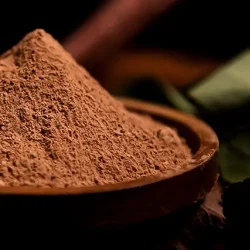
Banisteriopsis caapi — the ayahuasca vine — is the foundational plant of the ayahuasca complex. Its stems contain beta-carboline alkaloids (harmine, harmaline, and tetrahydroharmine) that function as MAO inhibitors, making the combination with DMT-containing plants pharmacologically active. Available in Red, Yellow, and Caupuri varieties, our Caapi wholesale range covers shredded vine and concentrated extracts.
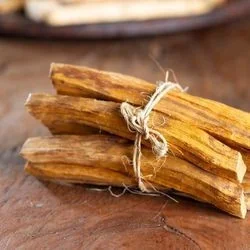
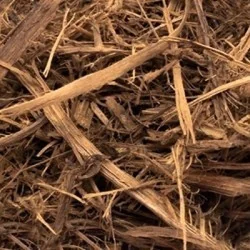
B. Caapi Red - Peru - Shredded | Vine
Alicia Anisopetala Trueno Vine - Peru - Shredded
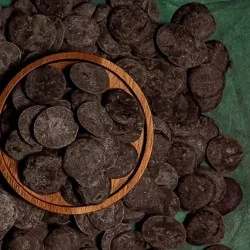
Banisteriopsis Caapi Paste 12:1 | Peruvian Red Muricata Red Vine Resin
B. Caapi Yellow - Brazil - Shredded | Ayahuasca Vine
B. Caapi Caupuri - Shredded | Vine
Caapi Tincture 40:1 Extract - Cielo | B. Caapi
B. Caapi Caupuri Vine - Paste 30:1 | Concentrated
B. Caapi Yellow - Peru - Shredded | Vine
B. Caapi Tukanaka Vine - Paste 30:1 | Concentrated
B. Caapi Ourinho Vine - Paste 30:1 | Concentrated
Banisteriopsis caapi — Ayahuasca Vine Wholesale
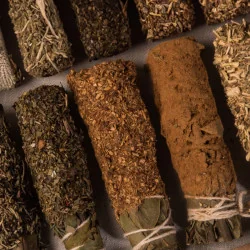
Banisteriopsis caapi is a large woody liana native to the Amazon basin. Indigenous peoples across the Amazon have worked with this vine for generations in healing ceremonies, dieta practices, and initiatory traditions. The vine is harvested, typically shredded or pounded, and prepared in combination with DMT-containing admixtures to produce the ceremonial brew known as ayahuasca.
Beta-Carboline Content and Varieties
The stems of B. caapi contain three primary beta-carboline alkaloids: harmine, harmaline, and tetrahydroharmine (THH). These compounds inhibit monoamine oxidase, which is why they are often described as the MAOI component of ayahuasca. Alkaloid ratios vary by variety. The main commercially available varieties are:
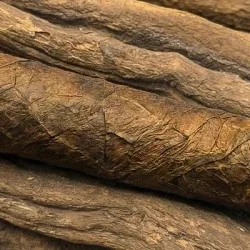
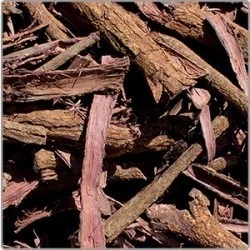
Red (Ourinhos/Peru): Intense reddish-brown color, associated with grounding and protective properties in some traditions. Our Caapi Red shredded vine is sourced from Peru.
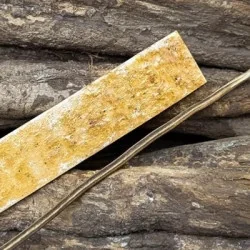
Yellow (Brazil): Lighter coloring, often described in practice as producing clearer, more visionary experiences. Our Caapi Yellow shredded vine comes from Brazil.
Caupuri: A specific variety from the Peruvian Amazon, distinguished by knot-like nodes along the vine. Often considered one of the most potent in traditional contexts.
Caapi vs. Harmala
A common confusion in the market: Banisteriopsis caapi and Peganum harmala (Syrian Rue, Harmala) both contain harmine and harmaline, but they are entirely different plants from different regions and traditions. Caapi is an Amazonian liana; Harmala is a shrub native to the Middle East and Central Asia. They are not interchangeable culturally or botanically.
Wholesale Supply
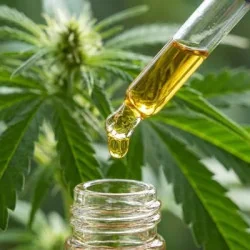
We supply Caapi in shredded vine form and as a concentrated tincture — see our Caapi tincture (40:1 extract) for buyers looking for a concentrated format. Suitable for healing practitioners, ceremonial suppliers, smartshops, and research outlets.
Banisteriopsis caapi is an Amazonian vine; Peganum harmala (Syrian Rue) is a shrub from the Middle East and North Africa. Both contain beta-carboline alkaloids, but they are botanically unrelated and come from entirely different cultural traditions. Caapi is the vine at the heart of ayahuasca; Harmala is used in non-Amazonian contexts as a Caapi analogue.
Yes. In addition to shredded vine, we offer a Caapi tincture (40:1 extract) for buyers who need a concentrated format. We also carry a Caupuri vine paste for specialized use.
Store in a sealed container away from moisture, heat, and direct light. Shredded vine is relatively stable and retains its alkaloid profile for 2–3 years under good storage conditions. Vacuum sealing is recommended for longer-term wholesale storage.


