









Apurina Rapé
The Apurinã people of the Purus River basin in Amazonas state, Brazil, bring a distinct geographic and cultural character to the Rapé tradition — separate from the Acre tribes of the Juruá. One of the historically larger Amazonian peoples, the Apurinã carry a rich ceremonial heritage, and their Tsunu bark-based blends are known for depth and grounding. Browse the full Rapé range to compare traditions.
25 Authentic Rapé Apurinã
Apurinã Rapé — Purus River Basin, Amazonas
The Apurinã (also spelled Apurinã or Ipurinã) are an indigenous people of the Purus River basin in Amazonas state, Brazil. Their territory lies east of the Acre tribes — Yawanawa, Nukini, Huni Kuin, placing them in a distinct ecological and cultural zone. The Purus is one of the great Amazonian river systems, and the Apurinã relationship with this landscape runs deep across generations.
One of the Amazon's Larger Peoples
Historically, the Apurinã were among the more numerous indigenous groups of the western Amazon. The rubber boom inflicted severe losses on the community, but the Apurinã have maintained ceremonial traditions including the use of sacred plant blends throughout. Their shamanic tradition is considered particularly rich, and the preparation of Rapé follows protocols passed down through community elders.
Tsunu Bark: The Characteristic Ingredient
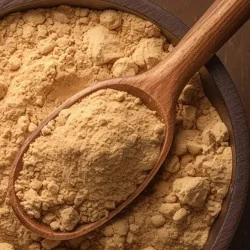
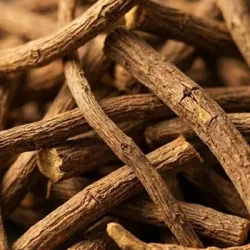
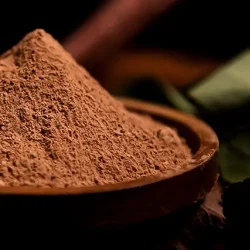
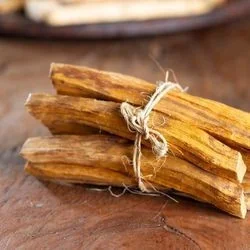
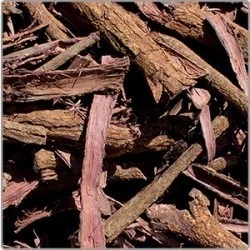
Apurinã Rapé preparations are anchored in Tsunu bark (Platycyamus regnellii), a tree whose inner bark has been used in ceremonial blends across multiple Amazonian traditions. In Apurinã hands, Tsunu-based preparations take on a depth and grounding quality that reflects both the specific plant material and the ceremonial intention behind the blend. The character of these preparations differs clearly from the more varied botanical base of Huni Kuin or the Mulateiro-forward Yawanawa range.
Wholesale Supply and Sourcing
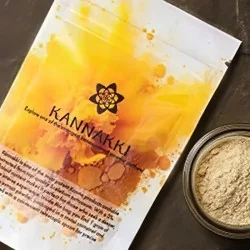
NLNaturals sources Apurinã Rapé through traceable channels with direct community connection. Stock is available in wholesale quantities suitable for smartshops, holistic practitioners, and ceremonial organisers. For self-application or two-person application tools, our Kuripe & Tepi range offers a complete selection. The Apurinã blend currently in stock represents the Purus tradition reliably.
The Apurinã are from the Purus River basin in Amazonas state, geographically distinct from the Juruá-based Acre tribes. This means different forest ecosystems, different botanical materials, and a separate ceremonial lineage. Apurinã preparations tend to be anchored in Tsunu bark and are known for depth and grounding, whereas Yawanawa blends foreground Mulateiro and Huni Kuin blends draw on a wider botanical palette including Murici and Cumaru.
Tsunu bark comes from Platycyamus regnellii, a tree native to Amazonian forests. Its inner bark is used across several tribal traditions as a key ingredient in sacred plant blends. In Apurinã tradition, it forms the foundation of most preparations and contributes to the earthy, grounding character the blends are known for.
Current stock, pack sizes, and wholesale pricing are listed on individual product pages. For volume orders or to discuss custom assortments for your smartshop, healing practice, or ceremonial supply business, contact NLNaturals directly.
Yes, application tools are stocked separately in the Kuripe & Tepi category. Offering tools alongside Rapé is common practice for smartshops and ceremonial suppliers, and both product lines are available at competitive wholesale prices.
