













Ethnobotanicals
Mimosa Hostilis - Brazil | Root Bark
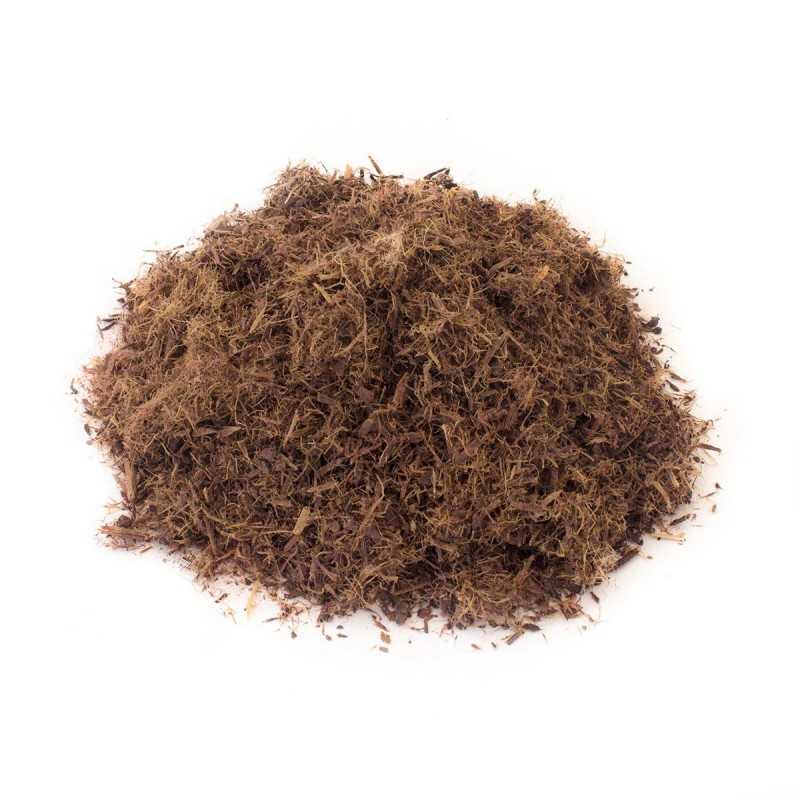
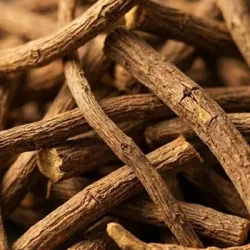
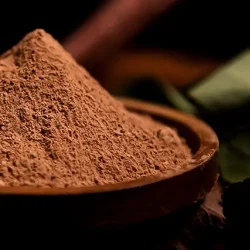
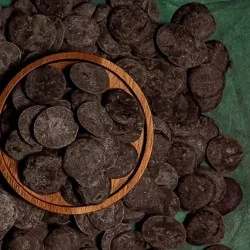
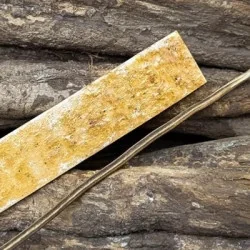
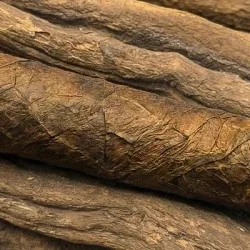
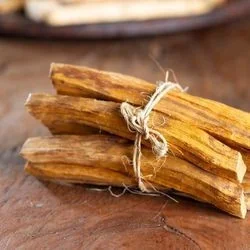
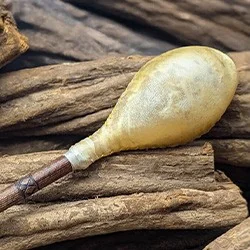
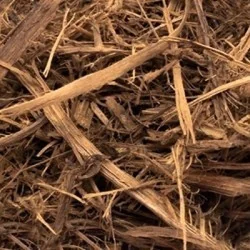
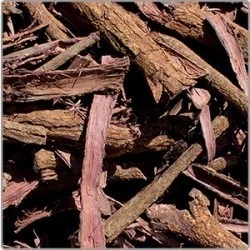
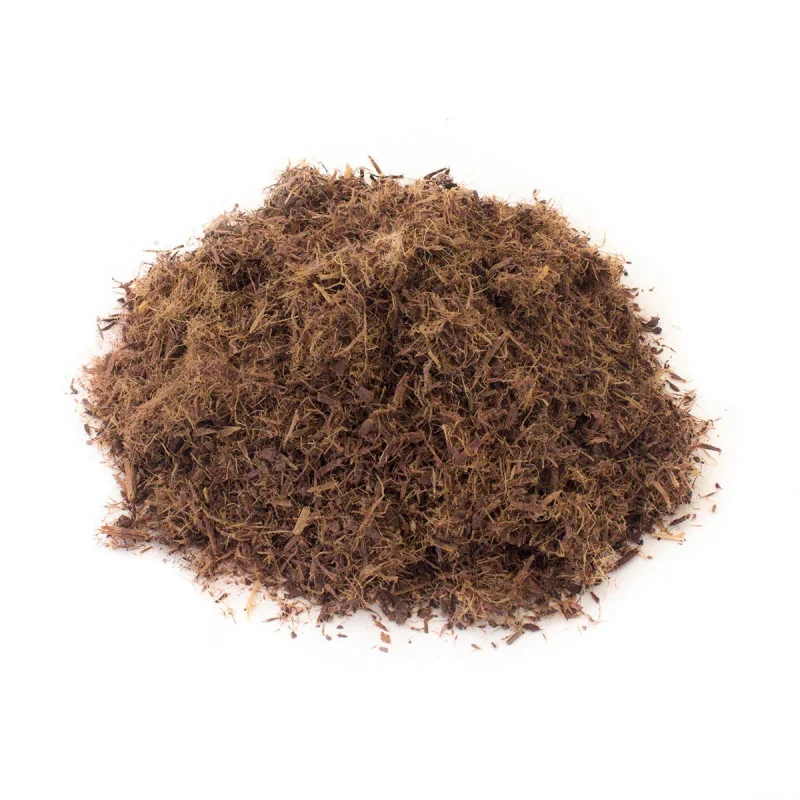
Brazilian Mimosa tenuiflora root bark from the Caatinga region of northeastern Brazil. Central to the Jurema tradition. Available in shredded and chunk formats, stores well for years when kept dry.
Brazilian Jurema Root Bark
Mimosa tenuiflora (syn. Mimosa hostilis) is a perennial tree native to the Caatinga region of northeastern Brazil. Locally known as Jurema, Jurema Preta or Jurema Negra, this tree has been part of the Jurema tradition for generations. The root bark, commonly referred to as MHRB (Mimosa Hostilis Root Bark), is the most valued part of the plant among ethnobotanists and is one of the most sought-after ethnobotanical materials worldwide.
Origin and Processing
This Brazilian-origin Mimosa comes from the semi-arid Caatinga biome, where the tree has adapted to harsh, drought-prone conditions over countless generations. The Caatinga is a unique Brazilian ecosystem characterised by thorny scrubland and seasonal drought, and Mimosa tenuiflora is one of its most resilient inhabitants. The root bark is harvested, cleaned, and processed into shredded and chunk formats. These larger cuts retain more of the bark's layered structure compared to powdered forms. The material stores exceptionally well in a cool, dry environment, maintaining its profile for years.
A Core Ethnobotanical Product
Mimosa root bark is one of the most sought-after products in the ethnobotanicals category, with consistent demand year-round. The Brazilian origin from the Caatinga carries particular significance in the Jurema tradition. We also offer a Mexican-origin Mimosa for customers who value sourcing diversity.
What is the difference between Brazilian and Mexican Mimosa?
Both are Mimosa tenuiflora, but they grow in different environments. The Brazilian variety comes from the semi-arid Caatinga biome and is associated with the Jurema tradition. The Mexican variety (known as Tepezcohuite) grows in drier highland conditions. Offering both provides sourcing diversity.
How long does Mimosa root bark stay fresh?
Mimosa root bark stores exceptionally well. In a cool, dry environment, it maintains its profile for years, making it one of the most shelf-stable ethnobotanical products available.
- Reference
- mimo 01500
- EAN13
- 6151940596581

mimo 01500
4 Items