

























- Out-of-Stock



Ethnobotanicals
Mimosa Hostilis - Mexico | Root Bark
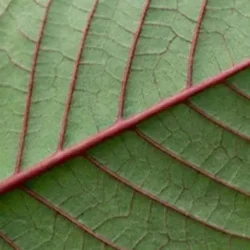
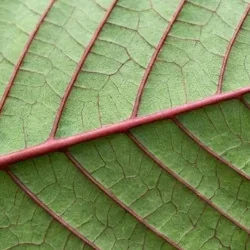
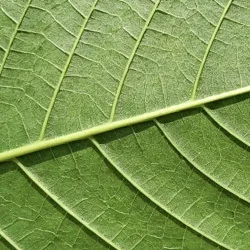
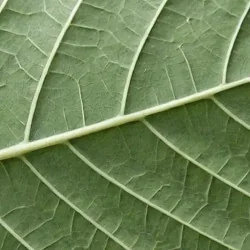
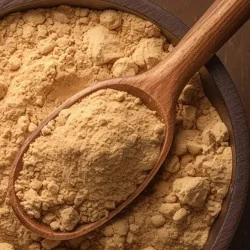
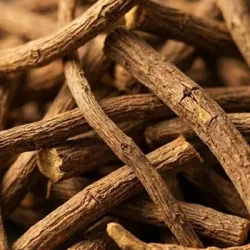
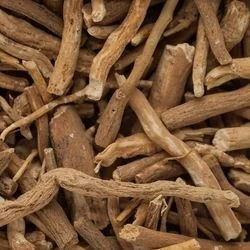
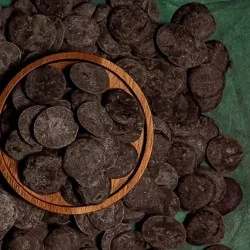
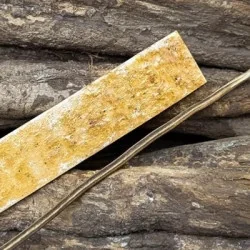
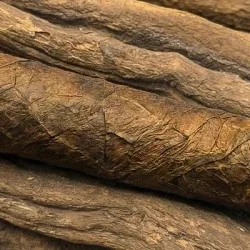
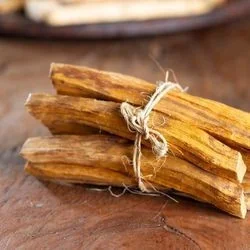
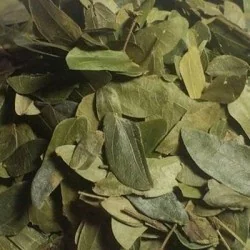
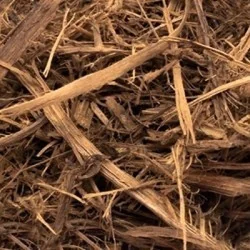
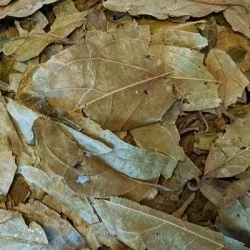
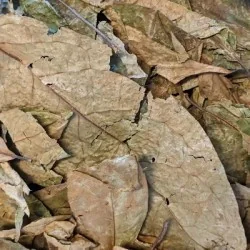
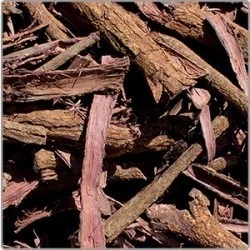
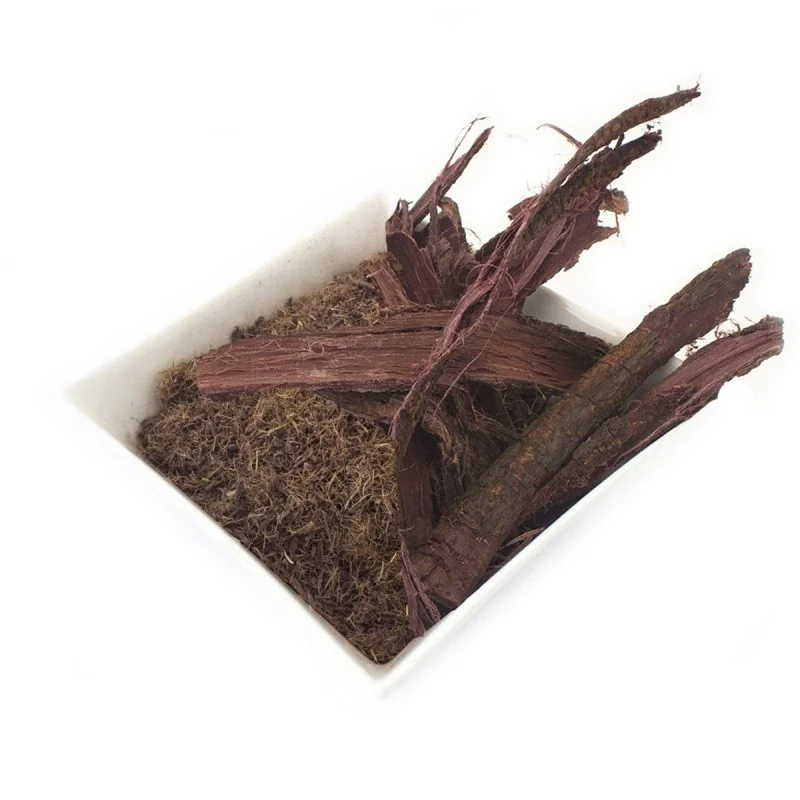
Mexican Mimosa tenuiflora root bark, known locally as Tepezcohuite. From highland Mexico, with a distinct profile compared to the Brazilian variety. Available in shredded and chunk formats.
Mexican-Origin Mimosa Root Bark
Mimosa tenuiflora (syn. Mimosa hostilis) also grows extensively in Mexico, particularly in the Oaxaca and Chiapas regions. In Mexico, the tree is known as Tepezcohuite and has a long history of traditional use among indigenous communities, particularly the Maya. The root bark shares the same core botanical identity as its Brazilian counterpart, though growing conditions and soil composition differ significantly between the two regions, creating subtle differences in the material.
Mexican Tepezcohuite Tradition
In Mexico, Mimosa tenuiflora bark has been traditionally valued for topical applications for generations. The Mayan name Tepezcohuite translates roughly to 'iron tree', referencing the hardness of the wood. The Mexican variety grows in drier highland conditions compared to the Brazilian Caatinga, resulting in subtle differences in bark density and texture. Available in shredded and chunk formats, the bark retains its characteristic purple-red interior that collectors and researchers recognise as a quality indicator.
Sourcing Diversity
Offering both the Mexican and Brazilian Mimosa gives your customers access to two distinct sourcing origins of the same species, each with its own traditional context. The Mexican supply adds geographic diversification to your ethnobotanical range and the Tepezcohuite name recognition adds appeal for customers familiar with Mayan botanical traditions.
Is Mexican Mimosa the same species as Brazilian Mimosa?
Yes, both are Mimosa tenuiflora. The Mexican variety is known as Tepezcohuite and grows in highland conditions in Oaxaca and Chiapas, while the Brazilian variety comes from the Caatinga biome. Different growing conditions produce subtle material differences.
What does Tepezcohuite mean?
Tepezcohuite is the Mayan name for Mimosa tenuiflora, translating roughly to 'iron tree'. The name references the remarkable hardness of the wood and reflects the tree's deep roots in Mexican indigenous culture.
- Reference
- mimex5000
- Packaging
- Bulk

mimex5000


