










Rapé
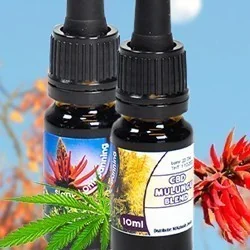
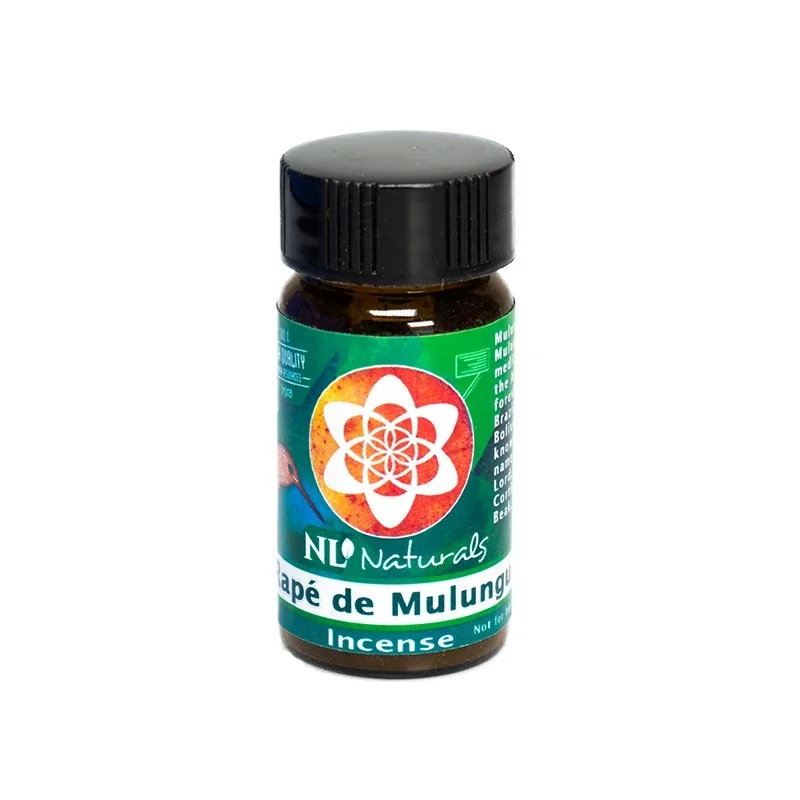
36 Rapé de Mulungu
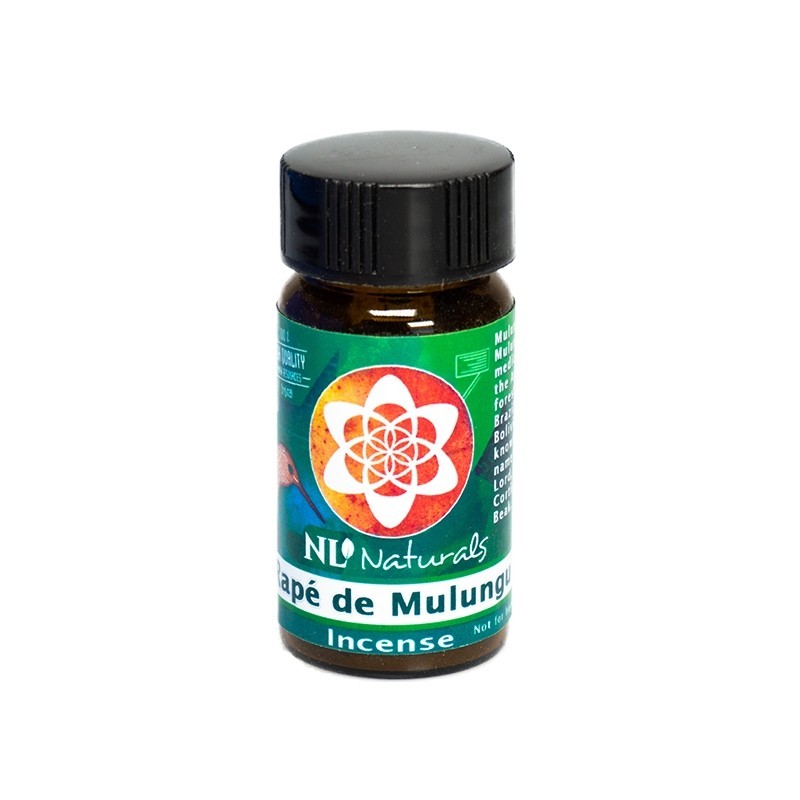
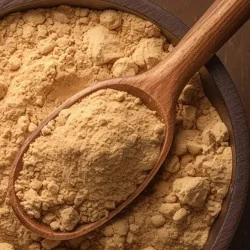
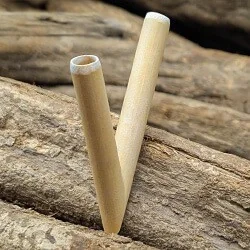
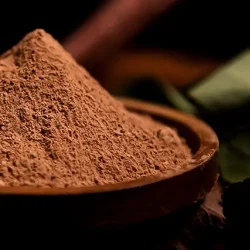
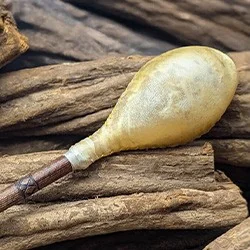
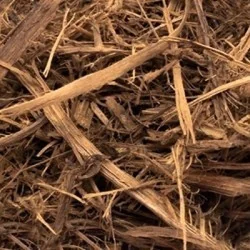
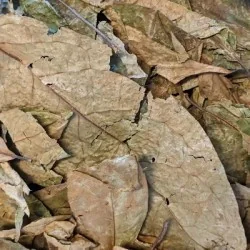
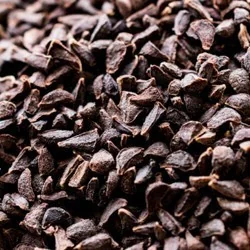
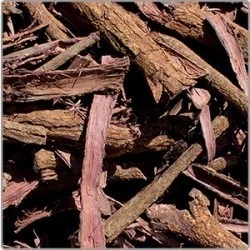
Rapé with Erythrina mulungu bark from the Amazon rainforest. The Mulungu tree has been used in Amazonian herbal traditions for generations, and its botanical profile gives this blend a deep, woody character unlike ash-based preparations. A distinctive addition to any rapé range. Glass bottle.
Mulungu: An Amazonian Tree with Deep Roots
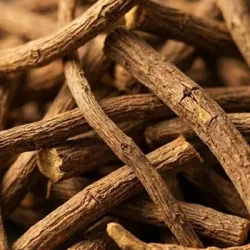
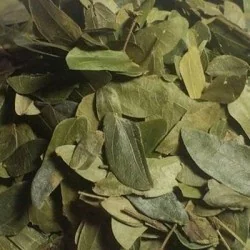
Rapé de Mulungu incorporates the bark of the Mulungu tree (Erythrina mulungu), a species native to the Amazon rainforest found across Brazil, Peru, and Bolivia. Known locally by many names including Corticeira and Amansa Senhor, Mulungu has been part of Amazonian botanical tradition for generations. Its distinctive bark is prized by rapé makers for the specific character it brings to ceremonial blends.
Erythrina mulungu: Botanical Profile
Erythrina mulungu is a tree of the legume family (Fabaceae), recognisable by its striking coral-red flowers that bloom during the dry season. The bark contains a range of erythrina alkaloids that give Mulungu-based preparations their distinctive botanical identity. In traditional Amazonian practice, Mulungu bark is carefully harvested, dried, and processed before incorporation into herbal blends.
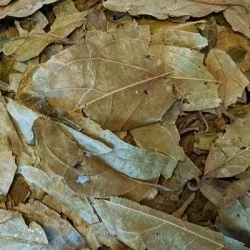
This rapé carries a deep, woody character reflecting the tree's robust botanical presence. Unlike tribal blends that carry the signature of a specific community, Mulungu rapé is defined by its primary botanical ingredient. This makes it an interesting product for customers who are drawn to specific plant profiles rather than tribal lineages. The Mulungu bark provides the defining character, while the herbal base completes the blend and rounds out its botanical identity.
Wholesale Availability
Rapé de Mulungu appeals to customers seeking plant-specific rapé blends rather than tribal varieties. It sits alongside botanical blends like Menta and Passionflower in your rapé range, offering variety for customers who want to explore specific plant ingredients. Glass bottle.
What is Erythrina mulungu and what are its key botanical compounds?
Erythrina mulungu is a leguminous tree native to the Amazon rainforest, recognisable by its coral-red flowers. The bark contains erythrina alkaloids that give Mulungu preparations their distinctive botanical character. The tree is found across Brazil, Peru, and Bolivia.
How does Rapé de Mulungu differ from tribal rapé blends?
While tribal blends like Yawanawa and Huni Kuin rapé are defined by their tribal origin and preparation tradition, Mulungu rapé is defined by its primary botanical ingredient. It appeals to customers interested in specific plant profiles rather than tribal lineages.
- Reference
- rape36 10
- Materiaal
- Mulungu
- Packaging
- Retail packing
- Our selection
- Best Seller
- Strength
- ⭐️⭐️⭐️
- EAN13
- 6151939512516
rape36 10
138 Items