



Tinctures / Extracts
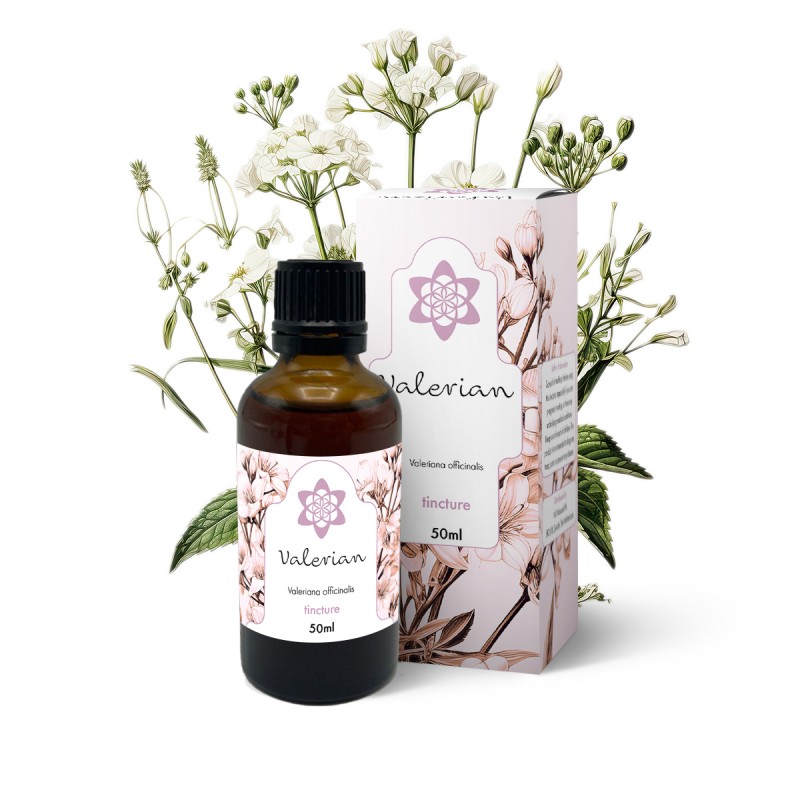
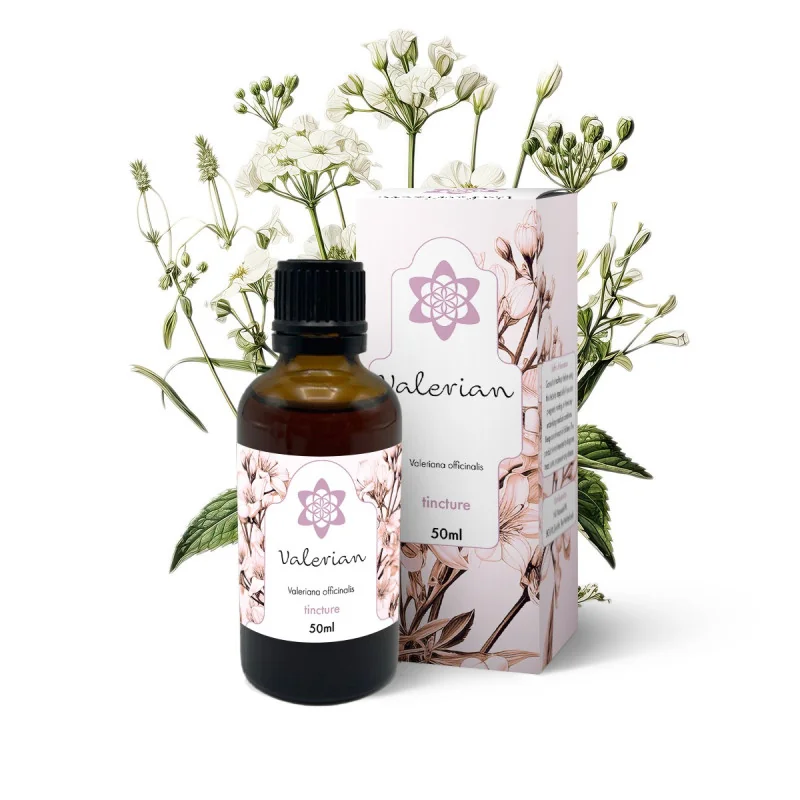
Valerian Tincture | Valeriana officinalis
Tincture of Valeriana officinalis root in 35% alcohol base. One of European herbalism's most established botanicals, documented since ancient Greece and Rome. Contains valerenic acid and iridoids. Grows wild across European meadows and woodland edges.
Traditional European Valeriana Officinalis
Valeriana officinalis, commonly known as valerian, is a perennial flowering plant native to Europe and parts of Asia. The root has been one of the most widely used herbs in European traditional herbalism for generations, with documented use stretching back to ancient Greece and Rome. Hippocrates described its properties, and Galen later recommended it. The plant grows wild across European meadows and woodland edges, producing clusters of small white or pink flowers in summer.
From Root to Tincture
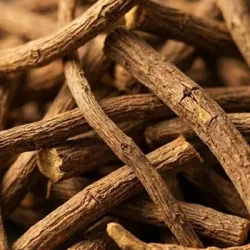
Valerian root contains a complex mixture of compounds including valerenic acid, isovaleric acid, and various iridoids known as valepotriates. The volatile oil fraction is responsible for valerian's distinctive earthy, slightly musky aroma that herbalists and customers immediately recognise. Valerenic acid has been the most studied individual compound, attracting significant modern research interest.
This tincture is prepared from Valeriana officinalis root in a 35% alcohol base. The liquid format allows for the extraction and preservation of the root's full spectrum of volatile compounds, some of which are lost in dried preparations. The tincture format has a long tradition in European herbalism, predating capsules and standardised extracts by generations.
A Herbal Staple for Your Shelves
Valerian is one of the most recognised herbal names among European consumers. Most customers already know it, which means less education needed at the point of sale. The tincture format differentiates from the capsules and teas that dominate the market, giving customers a traditional liquid option. Pairs naturally with your Passionflower Tincture and other herbal preparations in the range. Store below 25°C.
What compounds are in Valerian root tincture?
Valerian root contains valerenic acid, isovaleric acid, and iridoids (valepotriates), along with volatile oils that give it its characteristic aroma. Valerenic acid is the most studied individual compound in Valeriana officinalis.
Why does Valerian tincture have a strong smell?
The earthy, slightly musky aroma comes from the volatile oil fraction in the root, particularly isovaleric acid. This is a natural characteristic of authentic valerian preparations and is actually a sign of quality. It's the same smell herbalists have recognised for generations.
Which other tinctures pair well with Valerian for retail display?
Passionflower Tincture is the most natural pairing, as many customers seek both. The Sleep Well herbal blend tincture, which contains valerian alongside five other herbs, also complements the single-herb format.
- Reference
- mplus 8640
- Effect
- Calming
Promoting sleep - Packaging
- Retail packing
mplus 8640
101 Items
Customers also purchase: