













Tinctures / Extracts
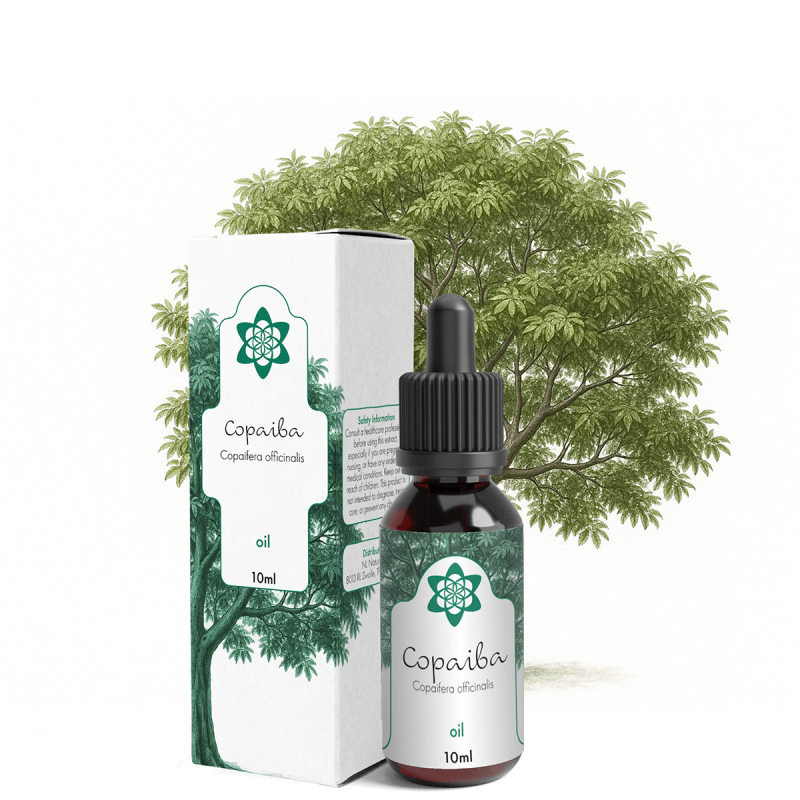
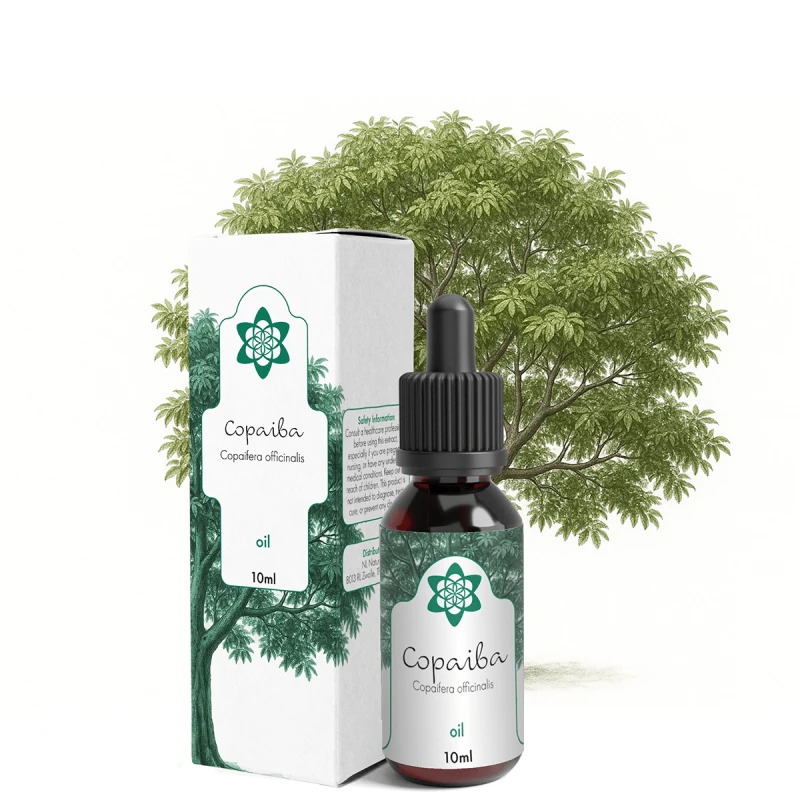
Copaiba Oil | Copaifera officinalis
Pure oleoresin tapped from Copaifera trees in tropical South America. Rich in beta-caryophyllene. Harvested sustainably by drilling the trunk, the same tree can be tapped for decades. Used in traditional Amazonian herbalism and natural cosmetics.
Amazonian Copaifera Oleoresin
Copaiba oil is an oleoresin obtained by tapping trees of the Copaifera genus, which grow throughout tropical South America and can reach over 30 metres in height. The harvesting process is elegant in its simplicity: a small hole is drilled into the trunk, and the thick, golden resin flows out naturally over hours. This sustainable method allows the same tree to be tapped repeatedly over decades without compromising its health. A single mature Copaifera tree can yield resin for 50 years or more.
Traditional Use and Phytochemistry
Indigenous Amazonian communities have used copaiba oleoresin for generations, applying it in various traditional practices. The resin is notably rich in beta-caryophyllene, a sesquiterpene that constitutes up to 50% of some copaiba oils and has attracted significant research attention. It also contains copalic acid, kaurenoic acid, and a range of diterpenes. When applied to skin, the resin forms a thin protective film as it dries.
Beyond indigenous use, copaiba found its way into Brazilian traditional herbalism (where it is called copaiba-do-norte) and has been adopted widely in modern cosmetic formulations. Soaps, creams, lotions, and massage oils frequently feature copaiba resin as an ingredient.
Wholesale Opportunities
Copaiba oil appeals to a broad customer base: from ethnobotanical enthusiasts to natural cosmetics formulators. The distinctive golden colour and the sustainable tapping story make it easy to sell on the shop floor. It cross-sells well with other South American products in your ethnobotanicals range. Compact bottle format, long shelf life, and strong margins make copaiba a practical stock item.
What is the main active compound in Copaiba oil?
The primary compound is beta-caryophyllene, a sesquiterpene that can constitute up to 50% of the oleoresin. Copaiba also contains copalic acid, kaurenoic acid, and various diterpenes.
Is Copaiba harvesting sustainable?
Yes. The tapping method is non-destructive: a small hole is drilled in the trunk and the resin flows naturally. The same tree can be tapped repeatedly over decades. This makes copaiba one of the most sustainably harvested Amazonian botanical products available in our tinctures and extracts range.
- Reference
- copa 015
- EAN13
- 6151939185130
copa 015
81 Items
Customers also purchase: